Description
Hayward HAXNNO1930 CPVC Heater Plumbing Kit (Nipples, Union Nuts & O-Rings) for H-Series / ED1
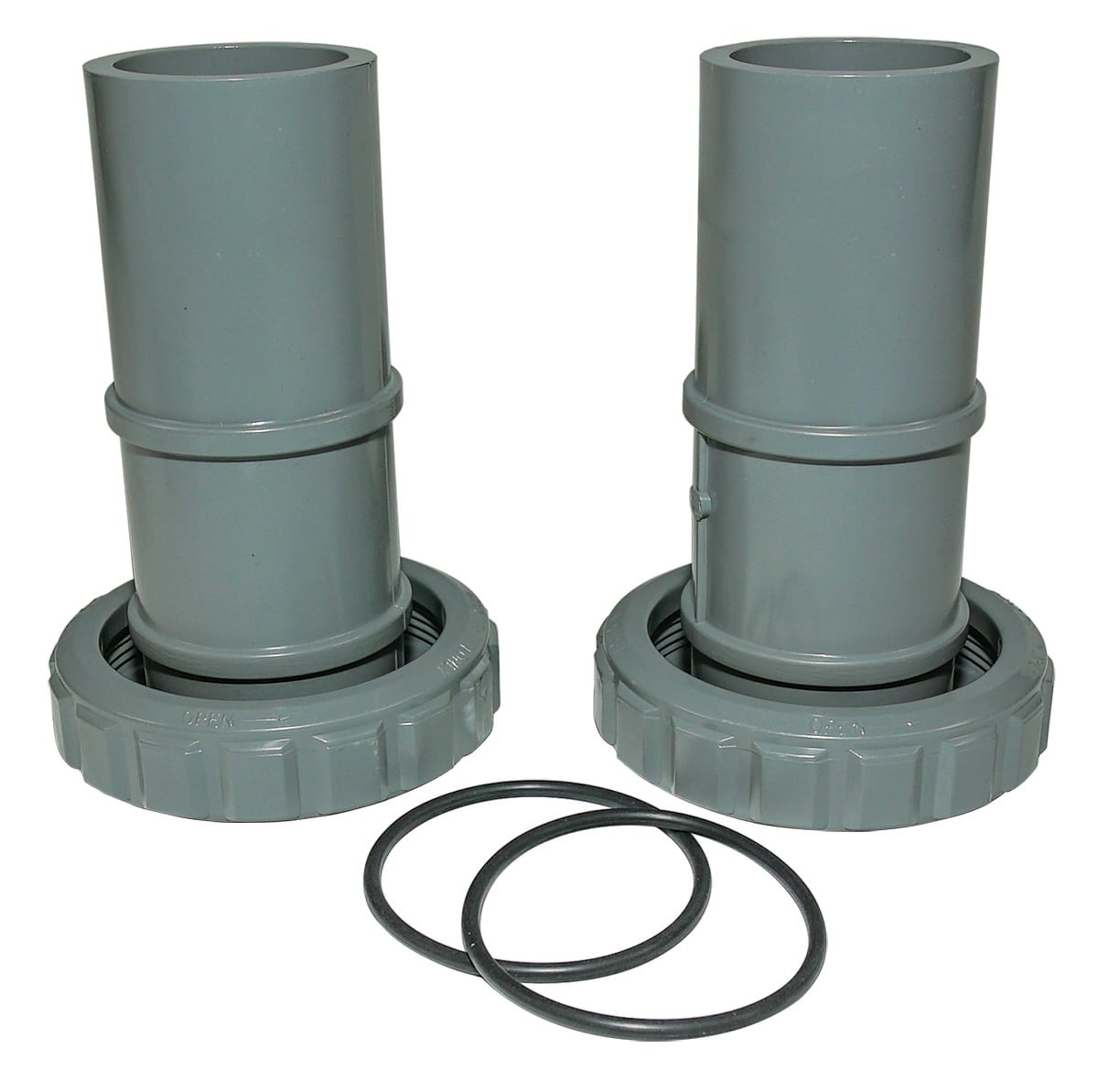
The Hayward HAXNNO1930 is a genuine replacement CPVC plumbing connection kit used on compatible Hayward H-Series pool heaters (commonly referenced for ED1 heater applications). This kit replaces the heater-side union components that connect your plumbing to the heater header, helping restore a secure, leak-resistant connection.
What’s Included
- (2) CPVC nipple connectors
- (2) union nuts
- (2) union O-rings
Compatibility Notes
- Designed for use on compatible Hayward H-Series heaters (commonly listed for ED1 applications)
- Intended for heater plumbing setups using 1-1/2″ or 2″ plumbing connections (as configured on the heater union/header side)
- Not intended for certain newer/current Hayward heater model families (verify your heater model before ordering)
Common Reasons to Replace
- Drips or seepage at the heater union connection
- Cracked, sun-brittle, or chemically worn union nuts
- Flattened, swollen, or leaking union O-rings
- Header/union service where the original hardware no longer seals reliably
Installation Notes
- Turn off the pump and relieve system pressure before loosening heater unions.
- Clean the union sealing surfaces before installing new O-rings.
- Lightly lubricate O-rings with a silicone-based pool lubricant to reduce pinching and improve sealing.
- Hand-tighten union nuts firmly; avoid overtightening that can crack plastic fittings or distort O-rings.
- If the heater header threads or sealing faces are damaged, correct that issue before installing new union parts.
Related Products
- Hayward HAXNNO1930 Plumbing Kit (search)
- Hayward H-Series Heater Parts (search)
- Hayward Heater Union O-Rings (search)
- Silicone O-Ring & Gasket Lubricant (search)
- Pool Plumbing Unions (search)
Maintenance Tips
- If you ever open heater unions for service, replace O-rings while they’re accessible—reusing flattened O-rings is a common cause of repeat leaks.
- Keep water chemistry balanced to reduce scale buildup that can damage sealing surfaces over time.
- Inspect for slow drips after startup—small leaks can leave mineral deposits that make future sealing harder.
- Support nearby plumbing so the heater unions aren’t carrying stress from misaligned pipes.